Central Bank Signals Prompt Global Market Reassessment
The Federal Reserve’s latest meeting revealed no immediate plans to adjust interest rates, leaving investors in a state of limbo. Traders had anticipated a rate cut to stimulate economic growth, but officials emphasized data-driven decisions, citing inflationary pressures that remain above target. This ambiguity has triggered a sharp shift in trading strategies, with many portfolios now prioritizing defensive assets over high-risk equities.
The lack of clarity has amplified volatility in emerging markets, where currency fluctuations have surged by 12% since the meeting. Analysts warn that prolonged uncertainty could erode investor confidence, particularly in regions reliant on foreign capital. Meanwhile, hedge funds are recalibrating their positions, with a 15% increase in short-term Treasury bond holdings as a hedge against potential rate hikes.
This pivot reflects broader concerns about the U.S. economic outlook. With consumer spending slowing and wage growth moderating, the Fed’s delayed response has left markets grappling with the risk of a prolonged downturn.
Equity Indices Plunge Amid Diverging Investor Sentiment
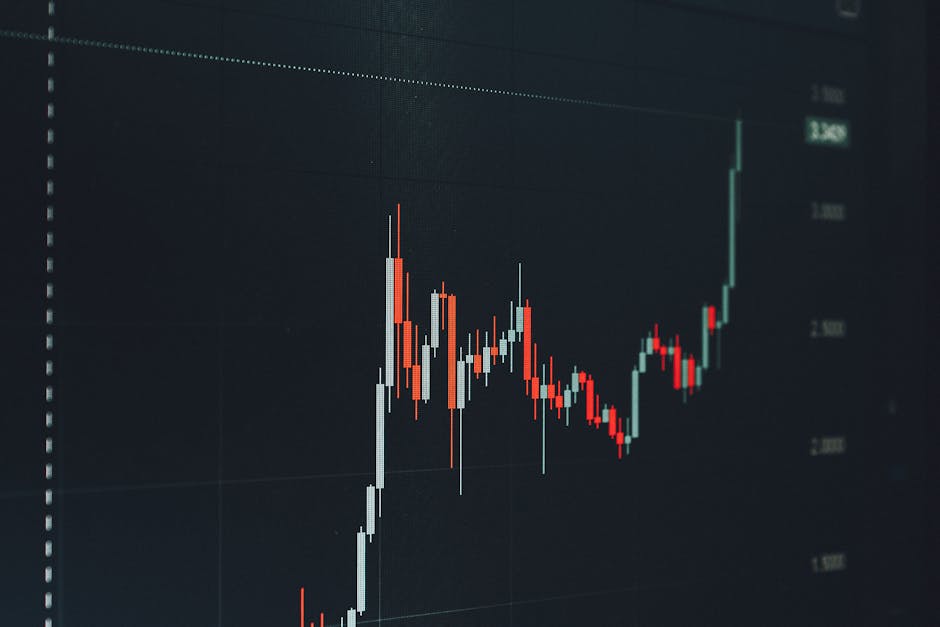
Major stock indices, including the S&P 500 and Nasdaq, fell by 3.2% in early trading, driven by a sell-off in tech and industrial sectors. Investors are increasingly wary of companies with high debt-to-equity ratios, fearing a potential credit crunch if rates remain elevated. The Dow Jones Industrial Average also dipped, with energy stocks leading the decline amid worries about oil price volatility.
Retail investors, who had previously flocked to speculative assets, are now liquidating positions as risk-off sentiment takes hold. Brokerage platforms report a 20% surge in sell orders compared to the previous week, signaling a shift toward cash preservation. Meanwhile, institutional investors are quietly shifting into government bonds, a move that could further depress equity valuations.
The divergence in market behavior highlights the growing chasm between short-term optimism and long-term pessimism. While some sectors, like utilities, have shown resilience, others are struggling to attract capital. This fragmentation underscores the fragility of the current market environment, with investors caught between conflicting signals from policymakers and economic data.
Policy Dilemma Threatens Global Economic Stability
The Fed’s hesitation to act has sparked debates among economists about the risks of prolonged monetary restraint. Some argue that delaying rate cuts could stoke inflation, while others warn that premature easing might fuel asset bubbles. The International Monetary Fund has called for coordinated global action, warning that fragmented responses could exacerbate financial risks.
Central banks in Europe and Asia are now closely monitoring U.S. policy moves, with the European Central Bank hinting at potential rate adjustments later this year. However, the lack of a unified approach has left emerging markets vulnerable to capital outflows, compounding existing debt crises.
This geopolitical fragmentation is creating a perfect storm of uncertainty, with far-reaching implications for global growth. As the Fed prepares for its next policy update, the pressure to act is mounting. The coming weeks will determine whether markets can stabilize or if the current volatility signals a deeper economic reckoning.
Conclusion
The Fed’s indecision has transformed market uncertainty into a global economic crossroads, where policy choices will define the next phase of financial stability. With investors and policymakers locked in a high-stakes game of anticipation, the path forward remains fraught with both opportunity and risk.
Read more: Boxtrade Secures $50 Million in New Funding Round Backed by IBM