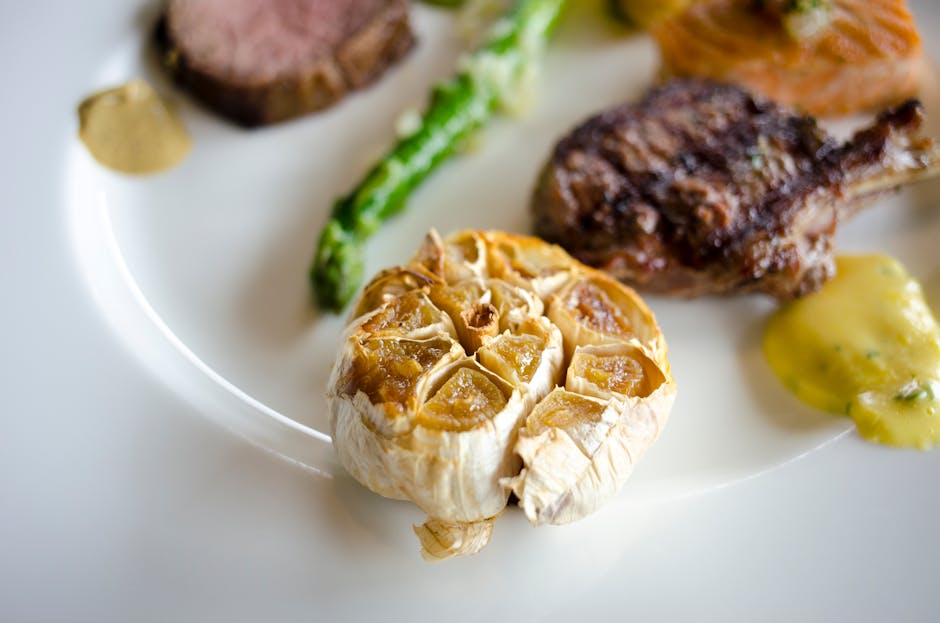
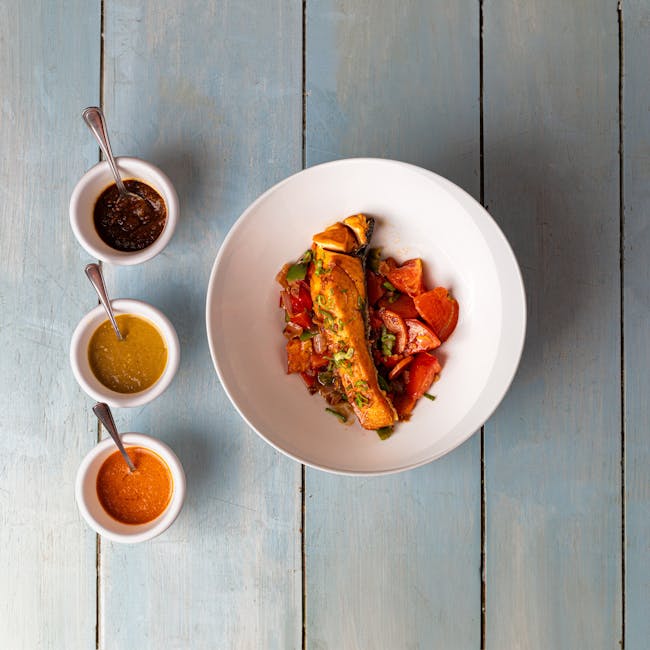
Moroccan-style salmon with garlic mayonnaise has become a beloved dish across southern Spain, reflecting the region’s deep cultural and culinary connections with North Africa. Known for its bold spices, fresh seafood, and rich sauces, this fusion dish highlights how centuries of trade and migration have shaped Andalusian cuisine. As culinary platforms like betterblogimages (https://betterblogimages.com/) often explore, regional dishes like this showcase the evolving blend of tradition and modern gastronomy.
A Culinary Bridge Between Morocco and Spain
Southern Spain, particularly Andalusia, has long been influenced by Moroccan and broader North African flavors. The proximity across the Strait of Gibraltar has facilitated not only trade but also the exchange of culinary traditions.
Historical Influences on Andalusian Cuisine
The roots of Moroccan influence in Spanish cooking date back centuries, when Moorish rule introduced new ingredients and cooking techniques.
Key contributions include:
- The use of spices such as cumin, paprika, and coriander
- Cooking methods involving slow roasting and marination
- The incorporation of citrus and herbs for balanced flavors
These elements are still evident in many traditional dishes enjoyed today.
The Rise of Moroccan-Style Salmon
While Spain is known for its seafood, the addition of Moroccan-inspired seasoning has elevated dishes like salmon to new culinary heights.
Why Salmon Works So Well
Salmon’s rich, fatty texture makes it ideal for absorbing bold flavors. When paired with Moroccan spices, the result is a dish that is both vibrant and satisfying.
Typical seasoning includes:
- Garlic, cumin, and paprika
- Lemon juice and olive oil
- Fresh herbs such as parsley or cilantro
This combination enhances the natural taste of the fish while adding depth and complexity.
Garlic Mayonnaise: The Perfect Companion
Garlic mayonnaise, often similar to traditional aioli, is a staple in Spanish cuisine and pairs exceptionally well with spiced salmon.
Flavor Balance and Texture
The creamy, slightly tangy nature of garlic mayonnaise complements the bold spices of the salmon.
Its role in the dish includes:
- Adding richness and smoothness
- Balancing the intensity of spices
- Enhancing the overall mouthfeel
In many restaurants, the sauce is either served on the side or drizzled over the fish for added flavor.
Popularity in Southern Spain
This dish has gained traction in cities such as Seville, Málaga, and Cádiz, where seafood is a central part of the local diet.
Restaurant and Home Cooking Trends
Both professional chefs and home cooks are embracing Moroccan-style salmon with garlic mayonnaise.
Reasons for its popularity include:
- Easy preparation with accessible ingredients
- A unique blend of familiar and exotic flavors
- Versatility for both casual meals and fine dining
It is often served with sides like roasted vegetables, rice, or fresh salads.
The Role of Fusion Cuisine
The success of this dish reflects a broader trend toward fusion cuisine, where culinary traditions from different cultures are combined to create something new.
A Modern Culinary Movement
Fusion cuisine allows chefs to experiment while still respecting traditional flavors.
In the case of Moroccan-style salmon:
- Spanish seafood traditions meet North African spice profiles
- Classic sauces like garlic mayonnaise are reimagined alongside bold seasonings
- The result is a dish that appeals to diverse palates
Nutritional Benefits of the Dish
Beyond its flavor, Moroccan-style salmon with garlic mayonnaise also offers several health benefits.
A Balanced and Nutritious Meal
Salmon is known for being rich in:
- Omega-3 fatty acids
- High-quality protein
- Essential vitamins such as B12 and D
When combined with olive oil, garlic, and herbs, the dish becomes both nutritious and satisfying.
Challenges in Maintaining Authenticity
As the dish grows in popularity, maintaining authenticity while adapting to local tastes can be a challenge.
Balancing Tradition and Innovation
Chefs must decide how closely to follow traditional Moroccan recipes while catering to Spanish preferences.
Common considerations include:
- Adjusting spice levels
- Modifying preparation techniques
- Incorporating locally sourced ingredients
The Future of Cross-Cultural Dishes
The continued popularity of Moroccan-style salmon in southern Spain suggests a strong future for cross-cultural culinary creations.
Trends to Watch
- Increased experimentation with Mediterranean and North African flavors
- Greater emphasis on fresh, locally sourced ingredients
- Expansion of fusion dishes in both restaurants and home kitchens
Conclusion
Moroccan-style salmon with garlic mayonnaise is more than just a flavorful dish—it is a reflection of the rich cultural exchange between southern Spain and North Africa. By combining bold spices with fresh seafood and creamy sauces, it captures the essence of both culinary traditions.
As global cuisine continues to evolve, dishes like this highlight the power of food to bring cultures together, offering a delicious glimpse into shared histories and modern innovation.
Related reading: New Presidential Candidates Unveiled in Minutes, Signaling Rapid Political Shifts | A Weekend Guide to Vienna’s Coffee Renaissance: Discovering Tradition and Modern Flair