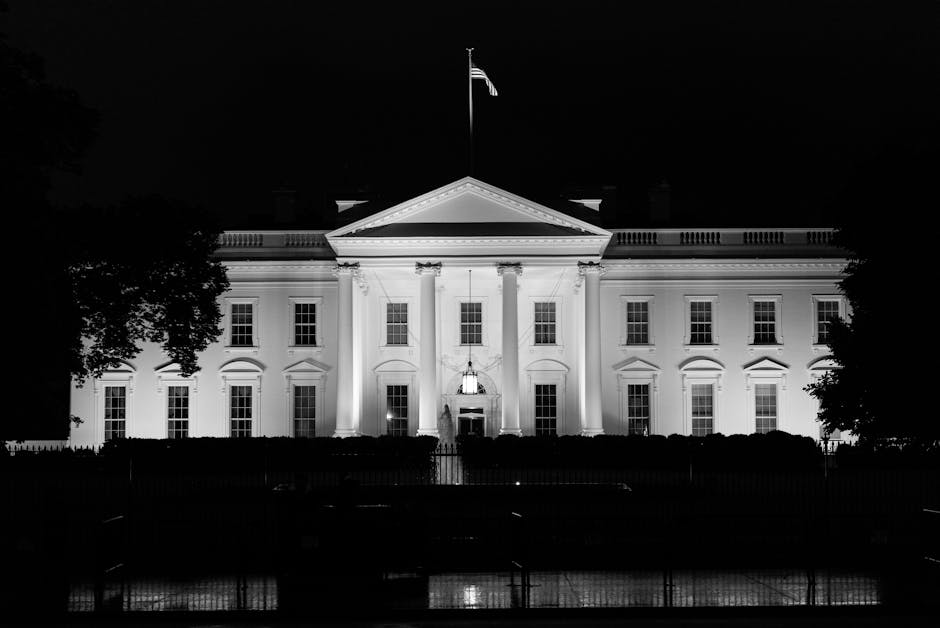
In a fast-moving political landscape, new presidential candidates are now being introduced to the public in a matter of minutes, reflecting both the acceleration of modern campaigns and the growing influence of digital platforms. The rapid presentation of candidates highlights how political communication has evolved, with speed and visibility becoming just as important as policy depth. For more insights into media and communication trends, visit https://betterblogimages.com/.
The Changing Nature of Political Campaign Launches
Traditional campaign launches once involved carefully staged events, lengthy speeches, and extended media coverage. Today, candidates can be introduced through short videos, livestreams, or even social media posts, reaching millions almost instantly.
From Formal Announcements to Digital Rollouts
The shift toward digital-first announcements has transformed how candidates connect with voters. Instead of relying solely on television or print media, campaigns now leverage platforms such as YouTube, X (formerly Twitter), and Instagram to deliver concise, impactful messages.
These quick introductions are designed to capture attention in an era where audiences have shorter attention spans and are constantly exposed to large volumes of content.
The Role of Media Compression
The concept of “media compression” plays a key role in this trend. Complex political narratives are distilled into short, digestible formats that can be consumed within minutes—or even seconds.
While this approach increases reach, it also raises questions about whether voters receive enough detailed information to make informed decisions.
Technology’s Influence on Candidate Visibility
Advancements in technology have made it easier for new candidates to gain visibility quickly, even without traditional political backing.
Social Media as a Launch Platform
Social media platforms allow candidates to bypass traditional gatekeepers such as major news outlets. A well-produced announcement video or viral post can instantly elevate a relatively unknown figure into the national spotlight.
This democratization of exposure has lowered barriers to entry, enabling a more diverse range of candidates to participate in the political process.
Data-Driven Campaign Strategies
Modern campaigns rely heavily on data analytics to tailor messaging. By analyzing voter behavior, campaigns can craft highly targeted introductions that resonate with specific demographics.
This precision allows candidates to maximize impact within a short time frame, making brief presentations more effective than ever before.
Benefits of Rapid Candidate Introductions
The ability to present candidates quickly offers several advantages for both campaigns and voters.
Increased Accessibility
Short-form introductions make it easier for voters to learn about multiple candidates in a limited amount of time. This can encourage greater engagement, especially among younger audiences who prefer quick, mobile-friendly content.
Faster Response to Political Developments
In a dynamic political environment, speed is crucial. Rapid introductions allow parties to respond quickly to emerging issues, public sentiment, or unexpected vacancies in leadership.

Cost Efficiency
Digital announcements are often more cost-effective than traditional campaign launches, reducing the need for large-scale events and extensive media buys.
Challenges and Concerns
Despite its advantages, the trend toward quick candidate presentations also raises several concerns.
Oversimplification of Policies
Condensing complex political platforms into short presentations can lead to oversimplification. Important details may be omitted, making it harder for voters to fully understand a candidate’s position.
Risk of Misinformation
The fast-paced nature of digital media increases the risk of misinformation spreading quickly. Without thorough vetting, misleading narratives can gain traction before they are corrected.
Limited Voter Engagement Depth
While quick introductions may capture attention, they may not foster deep engagement. Voters still require detailed discussions, debates, and long-form content to make informed choices.
The Role of Traditional Media
Despite the rise of digital platforms, traditional media continues to play an important role in providing depth and context.
In-Depth Analysis and Fact-Checking
News organizations remain essential for analyzing candidates’ policies, verifying claims, and offering comprehensive coverage that goes beyond initial introductions.
Balancing Speed and Substance
The challenge for both campaigns and media outlets is to balance the need for speed with the importance of substance. Quick introductions should ideally serve as a starting point rather than a replacement for deeper engagement.
Future Implications for Political Campaigns
The trend of rapid candidate introductions is likely to continue as technology evolves and audience preferences shift.
Integration of Multimedia Formats
Future campaigns may increasingly combine video, interactive content, and live engagement to create more dynamic introductions that still fit within short time frames.

Greater Emphasis on Personal Branding
Candidates will need to develop strong personal brands that can be communicated quickly and effectively. Authenticity and relatability are becoming key factors in capturing voter attention.
Continuous Engagement Beyond the Introduction
Initial presentations are just the beginning. Successful campaigns will focus on maintaining engagement through ongoing communication, policy discussions, and direct interaction with voters.
Conclusion
The rapid introduction of new presidential candidates reflects a broader transformation in political communication. As campaigns adapt to a digital-first environment, speed and accessibility are becoming critical components of success.
However, while brief presentations can enhance visibility and engagement, they must be complemented by deeper, more substantive discussions to ensure that voters are fully informed. Balancing efficiency with transparency will be essential in shaping the future of democratic processes.
Related reading: Discover the Latest Waterproof and Rugged Smartphones Now Available on the Market | $10 Million Lending Program Targets Minority-Owned Businesses in Detroit