
Morocco’s stock market experienced notable turbulence over the past year, driven not only by global economic pressures but also by underlying political dynamics that influenced investor sentiment and capital flows. While external factors such as inflation and shifting monetary policies played a role, domestic political decisions and structural reforms were equally significant in shaping market volatility. For more global economic insights and analysis, visit https://betterblogimages.com/.
A Year of Volatility in Morocco’s Financial Markets
The Casablanca Stock Exchange, one of Africa’s leading financial markets, saw periods of sharp fluctuations throughout the year. While the broader global environment remained uncertain, Morocco’s internal political landscape added another layer of complexity.
Investor confidence, a critical driver of market stability, was repeatedly tested as policy shifts and government decisions created both opportunities and risks. These developments highlighted how closely financial markets are tied to political direction in emerging economies.
Government Policies and Market Reactions
Political decisions had a direct impact on market performance, particularly in sectors heavily influenced by government regulation.
Economic Reforms and Investor Sentiment
The Moroccan government introduced a series of economic reforms aimed at boosting growth and attracting foreign investment. While these reforms were designed to strengthen long-term fundamentals, short-term uncertainty often led to cautious investor behavior.
Changes in taxation policies, subsidies, and public spending priorities created mixed reactions. Some investors viewed these reforms as necessary modernization steps, while others were concerned about their immediate impact on corporate profitability.
Public Sector Influence on Key Industries
Many of Morocco’s major listed companies operate in sectors closely tied to government policy, including banking, energy, and infrastructure. As a result, any political shift can quickly influence stock valuations.
For example, adjustments in energy pricing policies and infrastructure investment plans had ripple effects across multiple sectors, contributing to market instability.
Political Stability and Market Confidence
Political stability is a key factor for any emerging market, and Morocco is no exception. While the country is generally considered stable compared to regional peers, even minor political uncertainties can affect investor confidence.
Policy Continuity Concerns
Investors closely monitor whether economic policies will remain consistent over time. Any perception of policy inconsistency or delays in implementation can trigger market volatility.
In the past year, debates over reform timelines and execution created uncertainty, leading some investors to adopt a wait-and-see approach.
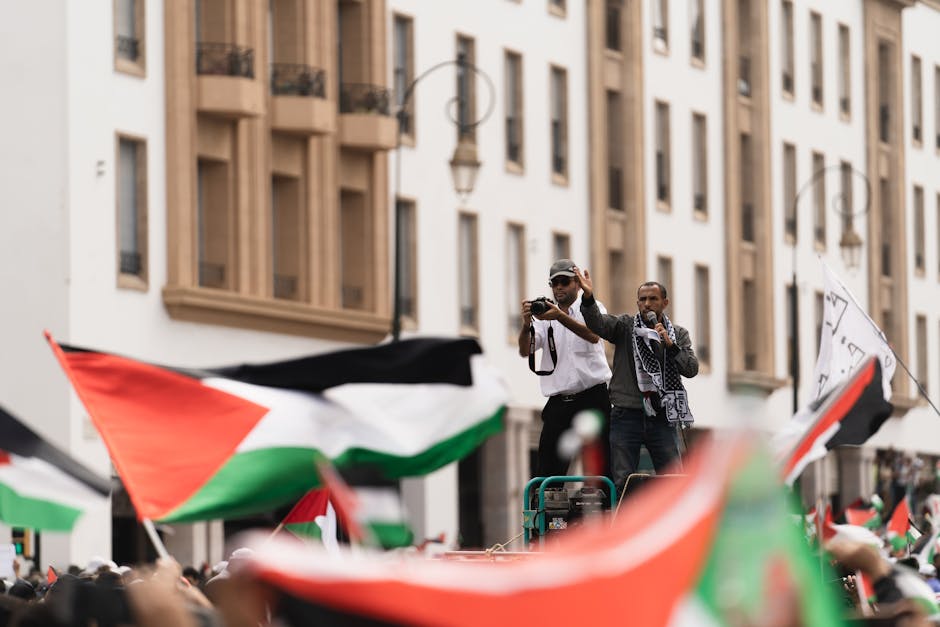
Regional and Geopolitical Factors
Morocco’s geopolitical position also plays a role in shaping market sentiment. Regional dynamics, trade relationships, and diplomatic developments can influence investor perception of risk.
Tensions or shifts in international alliances can indirectly affect capital inflows, adding another layer of unpredictability to the stock market.
Foreign Investment and Capital Flows
Foreign investment is a major driver of liquidity in Morocco’s stock market. Political factors often determine how attractive the country appears to international investors.
Shifts in Foreign Investor Behavior
During periods of political uncertainty, foreign investors tend to reduce exposure to emerging markets. Morocco experienced fluctuations in foreign capital inflows as global investors reassessed risk levels.
Even modest changes in foreign participation can have a significant impact on market performance, particularly in a relatively concentrated market like Casablanca.
Competition with Other Emerging Markets
Morocco competes with other emerging economies for investment capital. Political clarity and policy transparency are crucial in maintaining a competitive edge.
Countries that offer more predictable regulatory environments often attract greater investor interest, putting pressure on Morocco to maintain consistency in its economic policies.
Sector-Specific Impacts
Not all sectors were affected equally by political developments. Some industries proved more resilient, while others were more vulnerable to policy changes.
Banking and Financial Services
The banking sector, a cornerstone of Morocco’s economy, faced mixed performance. Regulatory adjustments and macroeconomic conditions influenced profitability and investor expectations.
Banks with strong regional diversification were better positioned to withstand domestic volatility.
Energy and Infrastructure
Energy companies were particularly sensitive to government policies, especially those related to pricing and subsidies. Infrastructure projects, often tied to public investment, also experienced fluctuations based on budgetary decisions.
These sectors highlighted the direct link between political decision-making and market outcomes.
The Role of Global Economic Pressures
While domestic politics played a significant role, global factors cannot be overlooked.
Inflation and Monetary Policy
Rising inflation and tighter monetary policies worldwide created additional pressure on emerging markets, including Morocco. Higher interest rates can reduce liquidity and impact equity valuations.
Commodity Prices and Trade Dynamics
Morocco’s economy is influenced by global commodity prices and trade flows. Fluctuations in these areas can amplify the effects of domestic political decisions on the stock market.
Lessons for Investors
The turbulence in Morocco’s stock market offers several key lessons for investors navigating emerging markets.
Importance of Political Analysis
Understanding political dynamics is essential for making informed investment decisions. Economic indicators alone are not sufficient; policy direction and government stability must also be considered.
Diversification Strategies
Investors can mitigate risk by diversifying across sectors and regions. Exposure to multiple markets reduces the impact of localized political volatility.
Long-Term Perspective
Despite short-term fluctuations, Morocco’s long-term economic prospects remain relatively strong. Investors with a long-term outlook may find opportunities amid volatility.
Outlook for Morocco’s Stock Market
Looking ahead, the trajectory of Morocco’s stock market will depend on both political and economic developments.
Policy Clarity as a Key Driver
Clear and consistent policy implementation will be crucial in restoring investor confidence. Transparency and effective communication from policymakers can help reduce uncertainty.
Continued Economic Reform
Ongoing reforms aimed at improving business conditions and attracting investment are likely to shape market performance. Successful execution could strengthen Morocco’s position as a regional financial hub.
Conclusion
Morocco’s stock market turbulence over the past year underscores the powerful influence of political factors on financial markets. While global economic conditions played a role, domestic policy decisions and political dynamics were central to shaping investor sentiment.
As Morocco continues to navigate economic reforms and geopolitical challenges, the interplay between politics and markets will remain a critical factor. For investors and analysts alike, understanding this relationship is key to anticipating future trends and opportunities.
Related reading: The Most Unusual Places Ashes Have Been Scattered in New Zealand | iTunes Emerges as the Second Most Powerful Force in the Global Music Industry