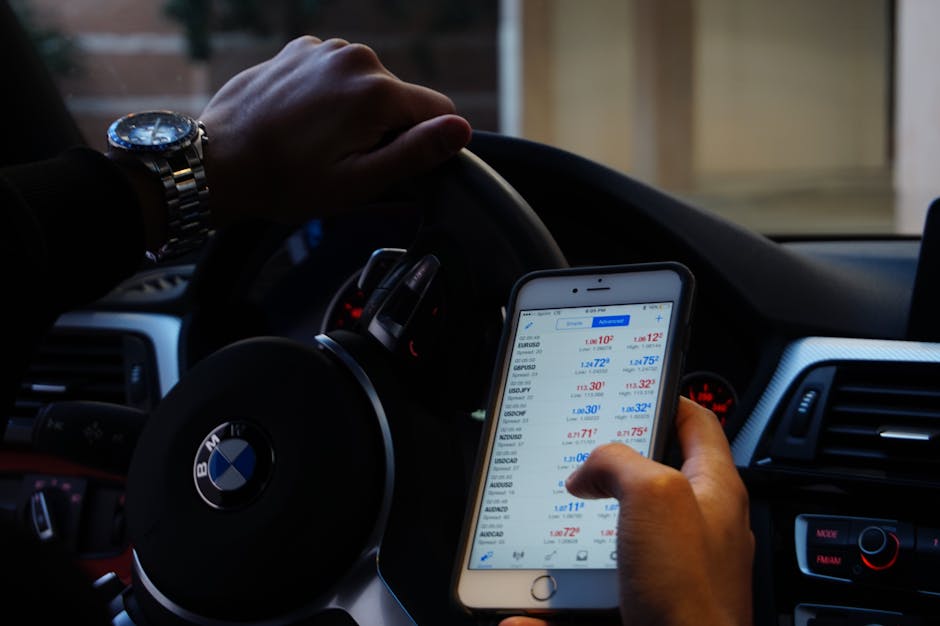
Mobile marketing is rapidly transforming the landscape of e-commerce, becoming a central pillar in how businesses reach, engage, and convert consumers. With the widespread adoption of smartphones and increasing mobile internet penetration, companies are shifting their strategies to prioritize mobile-first experiences. This transition is not just a trend but a fundamental change in consumer behavior and digital commerce. For more insights into digital growth strategies, visit https://betterblogimages.com/.
The Rise of Mobile-First Consumer Behavior
Consumers today rely heavily on their smartphones for everyday activities, including shopping. From browsing products to completing purchases, mobile devices have become the primary gateway to e-commerce platforms.
Increasing Smartphone Penetration
Global smartphone usage continues to grow, particularly in emerging markets. Affordable devices and improved connectivity have made mobile access more widespread than ever before, enabling millions of new users to participate in digital commerce.
Shift in Shopping Habits
Modern consumers expect convenience and speed. Mobile devices allow users to shop anytime and anywhere, leading to shorter decision cycles and more spontaneous purchases. This shift has forced businesses to adapt quickly to meet evolving expectations.
Why Mobile Marketing is Crucial for E-Commerce
Mobile marketing is no longer optional—it is essential for businesses that want to remain competitive in the digital marketplace.
Personalized User Experiences
Mobile platforms enable highly personalized experiences through data collection and user behavior tracking. Businesses can tailor recommendations, offers, and content based on individual preferences, increasing engagement and conversion rates.

Direct Communication Channels
Mobile marketing allows brands to connect directly with consumers through push notifications, SMS campaigns, and in-app messaging. These channels offer immediate and highly targeted communication, improving customer retention.
Higher Engagement Rates
Compared to traditional desktop channels, mobile marketing often delivers higher engagement rates. Users are more likely to interact with content on their smartphones, especially when it is optimized for mobile viewing.
Key Mobile Marketing Strategies
To succeed in mobile-driven e-commerce, businesses must implement effective strategies that align with user behavior.
Mobile-Optimized Websites
A responsive, fast-loading website is critical. Poor mobile experiences can lead to high bounce rates and lost sales. Ensuring seamless navigation and quick checkout processes is essential.
Mobile Apps and Loyalty Programs
Many businesses are investing in dedicated mobile apps to enhance customer engagement. Apps provide a more personalized experience and can integrate loyalty programs, encouraging repeat purchases.
Social Media Integration
Platforms like Instagram, TikTok, and Facebook play a significant role in mobile marketing. Social commerce features allow users to discover and purchase products directly within apps, streamlining the buying journey.
Location-Based Marketing
Using GPS data, businesses can deliver location-specific offers and promotions. This strategy is particularly effective for retail stores and service-based businesses looking to attract nearby customers.
The Role of Mobile Payments in E-Commerce Growth
Mobile marketing is closely linked to the rise of mobile payment solutions, which are simplifying transactions and boosting consumer confidence.
Digital Wallet Adoption
Services like Apple Pay, Google Pay, and regional e-wallets are making mobile transactions faster and more secure. This convenience reduces friction in the purchasing process.
One-Click Checkout Experiences
Simplified payment systems enable users to complete purchases with minimal effort. This has significantly improved conversion rates, especially on mobile platforms.
Challenges in Mobile Marketing
Despite its advantages, mobile marketing comes with its own set of challenges.
Data Privacy Concerns
As personalization relies heavily on user data, businesses must navigate increasing concerns around privacy and data protection. Compliance with regulations is essential to maintain trust.
Device and Platform Fragmentation
Different screen sizes, operating systems, and app versions can create inconsistencies in user experience. Businesses must ensure compatibility across a wide range of devices.
Ad Fatigue and Competition
The growing number of mobile ads can lead to user fatigue. Standing out in a crowded marketplace requires creativity and strategic targeting.
Future Trends in Mobile E-Commerce
Mobile marketing will continue to evolve alongside technological advancements.
AI-Driven Personalization
Artificial intelligence is enabling more precise targeting and predictive recommendations, enhancing the overall shopping experience.
Voice and Visual Search
Voice assistants and image-based search tools are becoming more common, allowing users to find products in new and intuitive ways.
Augmented Reality (AR)
AR technology is transforming how consumers interact with products online. From virtual try-ons to interactive previews, AR enhances confidence in purchasing decisions.
Conclusion
Mobile marketing is undeniably shaping the future of e-commerce. As consumer behavior continues to shift toward mobile-first interactions, businesses must adapt by prioritizing mobile strategies, optimizing user experiences, and leveraging emerging technologies.
Companies that embrace mobile marketing today will be better positioned to succeed in the increasingly competitive digital marketplace, where convenience, speed, and personalization define success.
Related reading: A New Generation of Superheroes Emerges at Unprecedented Speed | New Presidential Candidates Unveiled in Minutes, Signaling Rapid Political Shifts